The Interview Trap
Why does this keep happening?
Modern recruitment often involves multiple interviews, assessments and checks, yet organisations still make poor hiring decisions. The reason is simple. An interview is a performance. Candidates prepare, research and present the strongest version of themselves. That shows how well they interview, not necessarily how they perform once the job begins.
What are interviews failing to measure?
Interviews often struggle to identify the qualities that matter most. Ownership, reliability, accountability, professionalism and consistency are difficult to assess in a one hour conversation. Someone can sound impressive while lacking the behaviours the organisation actually needs.
The person who cannot interview
Some highly capable people simply do not perform well under interview conditions. They may have years of experience, proven results and strong professional relationships, yet struggle when faced with rapid competency questions and interview pressure.
The irony is that an organisation can reject someone with ten years of evidence showing they can do the job while selecting someone who gives an excellent interview but has never actually performed it. Age bias can make this even worse. Experienced candidates are sometimes overlooked as being overqualified, too senior or too close to retirement, despite having many productive years ahead of them. One person has demonstrated capability over thousands of working days. The other has demonstrated interview capability for perhaps two hours.
When technology makes interviews even harder
Recorded and AI based interviews introduce new challenges. Candidates may be required to answer questions to a camera without any interaction or feedback. For some people, particularly those who rely on normal conversational cues, this creates an artificial environment that measures comfort with technology rather than suitability for the role.
Then the person gets the job
The first few weeks often look positive. Then reality takes over. Deadlines slip, communication becomes inconsistent and performance issues emerge. The difference between interview performance and workplace performance becomes clear.
The real cost to the organisation
A poor hire affects more than one role. Other team members pick up the workload, managers spend time chasing progress and frustration grows. Over time, tolerating poor performance can damage accountability across the entire team.
Recruitment should measure evidence, not performance theatre
The best recruitment processes focus on evidence. Previous achievements, practical assessments, references and examples of real work often reveal more than polished interview answers. Employers should spend less time predicting performance and more time reviewing proof of performance.
References should mean something
References should help validate what a candidate claims about their reliability, professionalism and results. They should be more than a simple check of employment dates.
Leadership does not end when the contract is signed
Not every performance problem starts with a poor hire. Sometimes expectations are unclear or issues are not addressed early enough. Hiring is only the beginning. Leaders must set standards and manage performance consistently.
The answer is not another interview
The solution is not a sixth interview. It is improving what is being measured.
A successful hire is someone who performs consistently long after the interview is forgotten. The strongest recruitment decisions consider the full evidence base, not just how well someone performs during a few hours of questioning.
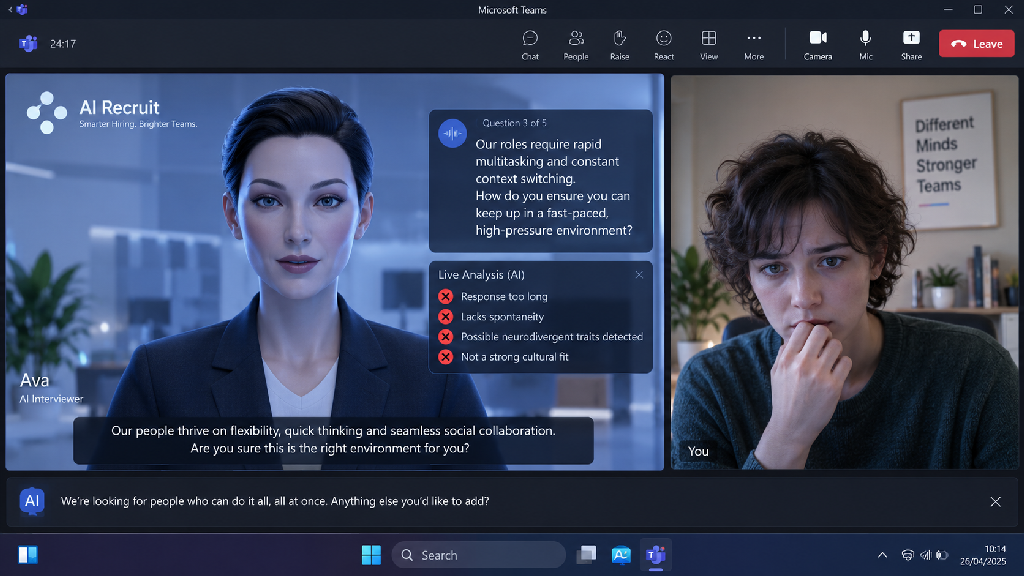
Do not confuse the ability to perform in an interview with the ability to perform in the job.

Leave a Comment