The Shadow Side of Success: (Part Two) What “Difficult” Behaviour Is Really Telling You

In Part 1, we reframed “difficult employees” not as problems to eliminate, but as signals, friction points that expose weaknesses in leadership systems, clarity, and culture.
Part 2 goes deeper, into the patterns beneath the behavior.
Difficult People Rarely Start That Way
Most challenging behaviours don’t appear overnight. They form gradually, usually as a response to something that feels unsafe, unfair, or unresolved.
High performers become abrasive when standards feel inconsistent, credit feels misaligned with effort, or poor performance goes unchallenged.
Quiet resistance often emerges when decisions happen without explanation, change feels imposed rather than owned, or speaking up previously led to punishment.
Negativity is frequently the residue of disappointment that was never processed.
Behaviour Is a Strategy — Even When It’s a Bad One
Every behaviour persists because it works on some level.
The sharp tongued expert keeps control by intimidating others. The passive resistor avoids risk by appearing compliant.
The chronic complainer gains relevance through criticism.
These strategies may damage the team, but they usually protect the individual from something they fear: loss of status, loss of control, or loss of identity.
Leadership maturity begins when you stop reacting to the behaviour and start interrogating the strategy behind it.
The Leadership Mirror Most Avoid
If the same type of “difficult” behaviour keeps appearing, it’s rarely coincidence.
Patterns of friction often point to vague expectations, avoided conversations, reward systems that contradict stated values, or leaders who value harmony over honesty.
Strong cultures don’t eliminate conflict. They surface it early, cleanly, and productively.
Why Avoidance Is the Most Expensive Option
Avoiding a difficult employee feels like the least disruptive choice. In reality, it’s the most corrosive.
Avoidance teaches the rest of the team that:
- • Behaviour matters less than results
- • Standards are negotiable
- • Speaking up isn’t worth the risk
Your highest performers notice first. They either disengage, or leave.
The Conversation That Changes Everything
Effective leaders don’t start with accusations. They start with clarity. The most powerful opening question is often:
“Help me understand what’s driving this.”
This doesn’t excuse poor behaviour — it explains it. And explanation is what allows correction without escalation.
Leadership Is Tested at the Edges
Anyone can lead a motivated, aligned, high trust team. Leadership is forged at the edges — with the sceptical, the defensive, the bruised, and the brilliant but brittle.
These moments demand more than policy or process. They demand emotional discipline, moral clarity, and the courage to address tension directly — without making it personal.
The Real Payoff
When handled well, your most difficult people often become:
- • Your clearest truth tellers
- • Your strongest standard bearers
- • Your most loyal contributors
Not because they were “fixed”, but because they were finally understood and held accountable at the same time.
That balance — empathy without indulgence — is where real leadership lives.
So ask yourself, what kind of manager are you truly and under pressure as that is where it counts!
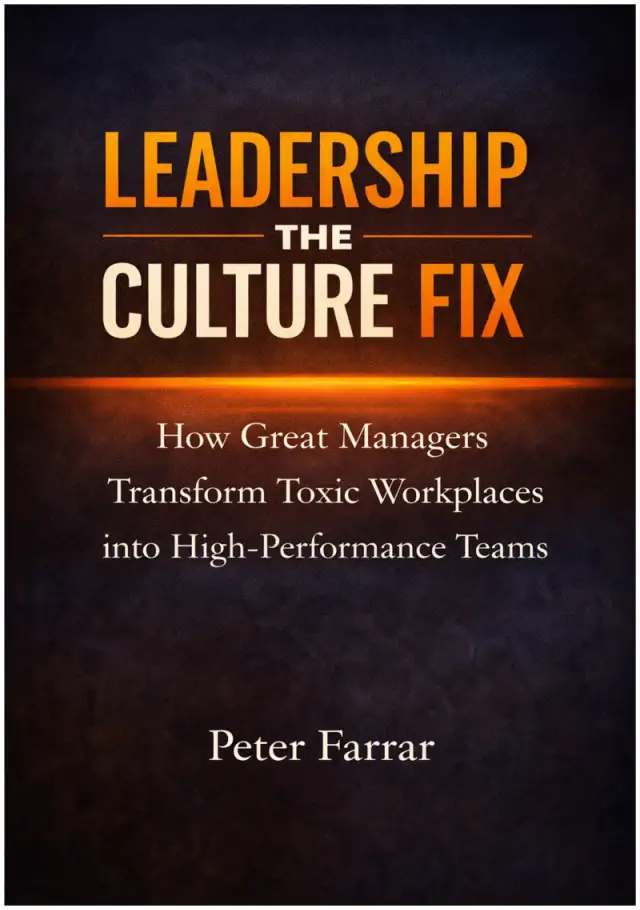
Leadership is not a perk; What “Difficult” Behaviour Is Really Telling You?
Leave a Comment