From Top Performer to Top Leader – Why Great Employees Often Struggle as Managers

Promoting strong performers into management roles seems logical. They know the job, understand the standards, and have already proven themselves. Yet, many organisations discover a common problem soon after promotion: excellent individual contributors do not automatically become effective leaders.
This happens because management requires a complete shift in identity.
The Hardest Transition: Doing vs Enabling
High performers are often rewarded because they solve problems quickly, deliver consistently, and take ownership. Their success comes from personal output. Leadership works differently.
A manager's value is no longer measured by what they personally complete. It is measured by what the team achieves collectively. That requires coaching, delegation, communication, and trust.
Many new managers fall into the trap of becoming the "super-doer," stepping in to fix every issue, rewriting work, and making every decision. While this can look productive in the short term, it creates dependency and limits team growth.
Why Identity Matters
When managers continue operating like top individual performers, the ripple effect is damaging:
- Team confidence drops as autonomy is removed.
- Decision-making slows through centralisation.
- Burnout increases for the manager trying to do it all.
- Growth stalls as the team stops learning to solve their own problems.
What Good Leadership Looks Like
Effective managers shift focus toward multiplier behaviours:
- Setting direction – Making priorities clear so the team can move autonomously.
- Removing blockers – Identifying and clearing the path for others to succeed.
- Developing people – Investing time in coaching rather than fixing.
- Creating trust – Giving ownership away and resisting the urge to take it back.
A Question Every New Manager Should Ask
Instead of asking: "How can I do this better?"
Ask: "How can I help the team do this better?"
That single mindset change transforms management performance from a bottleneck into a catalyst.
Final Thought: Leadership is not a reward for technical success. It is a new profession with new responsibilities. Organisations that recognise this early and train managers properly create stronger teams, higher retention, and better long term results.
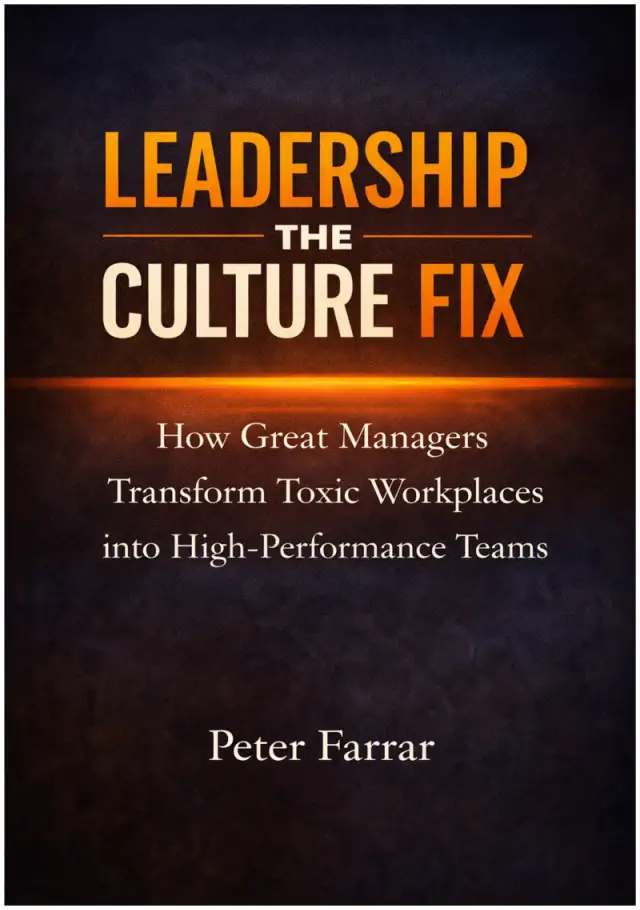
Leadership is not a perk; it is a profession. Learn how to develop managers who build trust, capability, and long-term performance.
Leave a Comment